×

Every morning, millions of people pour themselves a cup of coffee without ever thinking about where the beans came from, who grew them, or what that farmer’s life looks like. But behind every great cup is a long chain of hands — and how that chain treats the people in it matters. That’s why ethically sourced coffee has become more than a buzzword; it’s a promise. And at the heart of that promise is direct trade coffee.
Ethically sourced coffee means the beans are grown, harvested, and processed in ways that respect both people and the land. It means farmers are paid fairly for their labor, working conditions are safe, and environmental practices protect the soil and water for future harvests. It’s a holistic commitment — not just to flavor, but to fairness.
The challenge is that traditional coffee supply chains often involve multiple middlemen: exporters, brokers, and distributors who each take a cut before the coffee ever reaches a roaster. By the time it gets to your cup, the farmer who did the hardest work may have received only a small fraction of what you paid.
Direct trade coffee flips that model. Instead of relying on layers of intermediaries, roasters and importers build direct relationships with the farms and cooperatives that grow the beans. This means better transparency, stronger accountability, and — most importantly — more money flowing directly back to the farming communities who earn it.
Direct trade isn’t just good ethics; it’s good coffee. When buyers work closely with growers, they can be far more selective about quality, ensuring that every batch reflects the true character of the region it comes from — its soil, altitude, and climate.
Few places illustrate this better than Burundi, a small East African nation with some of the richest coffee-growing conditions in the world. High altitudes, volcanic soil, and generations of careful hand-cultivation give Burundian coffee its signature bright acidity and complex, fruit-forward flavor.
At Burundi Coffee and Tea, founder Hilaire Ntiganzwa built the business around exactly this idea. Having grown up on an Arabica coffee plantation in Burundi before moving to the United States, Hilaire understood firsthand both the artistry of great coffee and the struggles many Burundian farmers face in getting fair value for their crop. Burundi Coffee and Tea sources its coffee directly from Burundi’s farms, ensuring authenticity, freshness, and — crucially — fair trade practices that support the communities behind every bag.
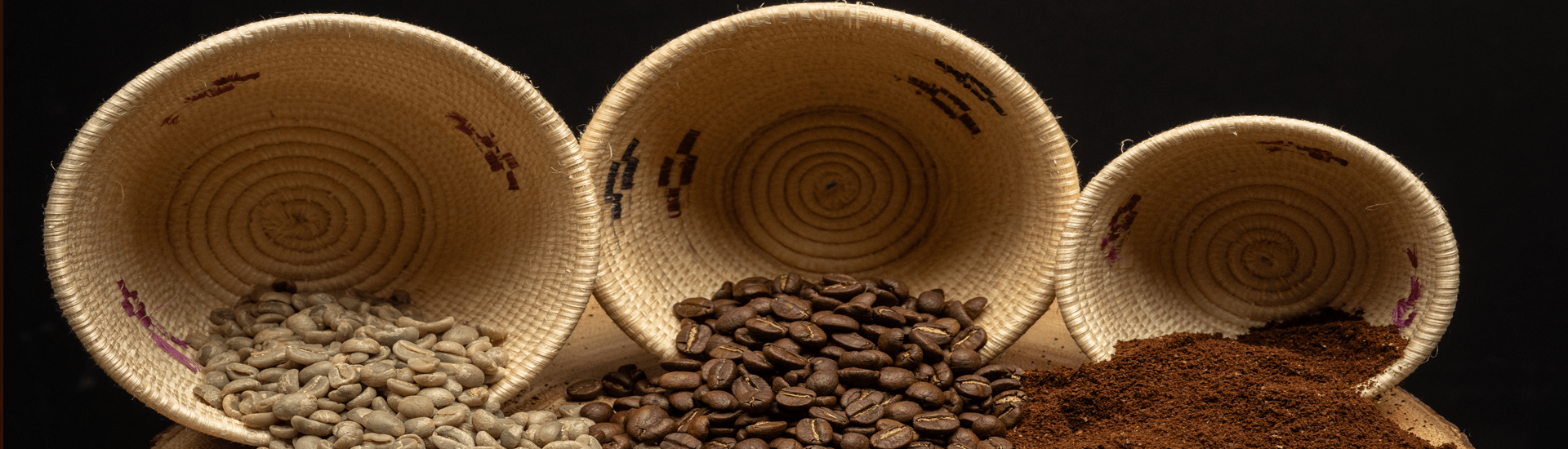
Whether you choose whole roasted beans, ground coffee, or green coffee beans for home roasting, every product reflects that same commitment: single-source Burundian coffee, traceable back to the farms that grew it.
Choosing ethically sourced coffee and direct trade coffee isn’t just about feeling good — it’s about tasting the difference that genuine care produces. Fresher beans, more vibrant flavor profiles, and the knowledge that your purchase supports real farming families rather than an anonymous supply chain.
The next time you brew a cup, consider where it came from. Direct trade coffee proves that transparency and quality aren’t opposites — they go hand in hand, one cup at a time.

